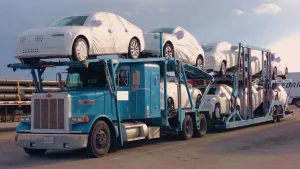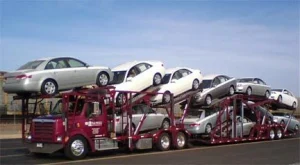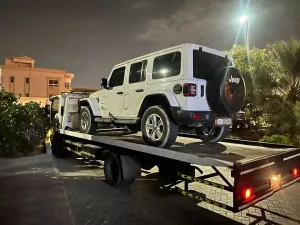

Protect your valuable vehicle from direct exposure to outdoor transportation conditions with enclosed car shipping options from Border-to-Border Car Transports. Our enclosed transportation solutions are ideal for customers shipping luxury, classic, collectible, and specialty automobiles.
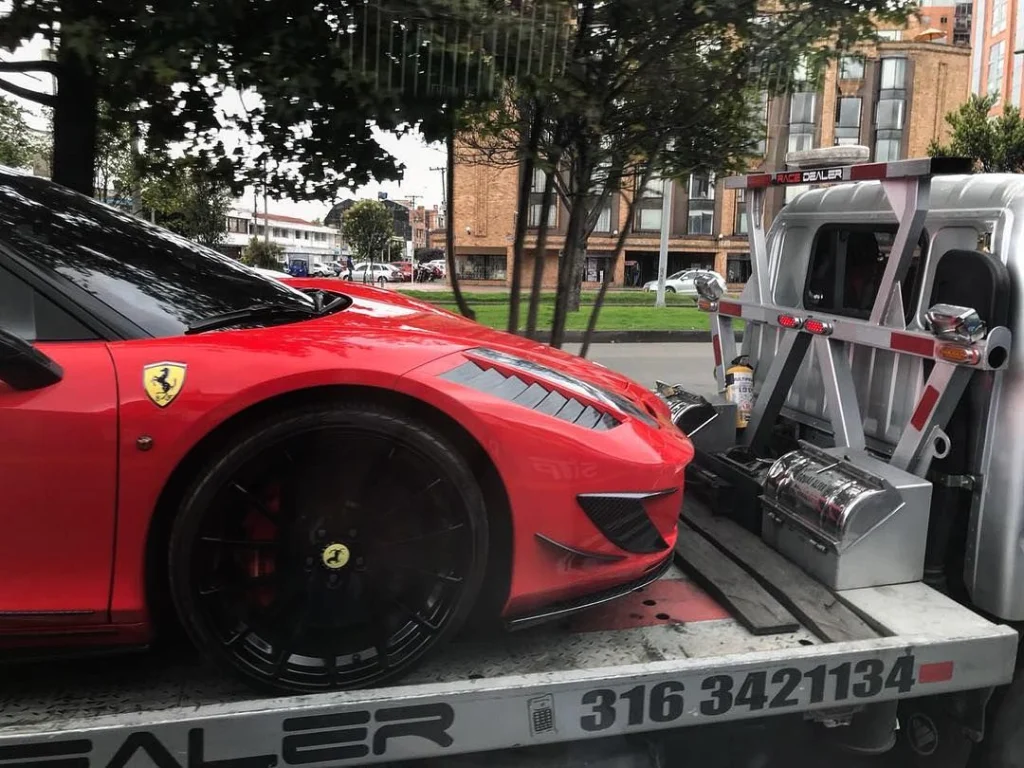
Some vehicles require a more specialized approach to transportation. Whether you own a classic automobile, a high-value sports car, a restored collector vehicle, or a luxury sedan, enclosed car transport offers an additional level of protection during shipment. Border-to-Border Car Transports helps customers explore enclosed auto shipping arrangements from Centerville, Texas, to destinations throughout the country.
We understand that specialty vehicles can represent significant financial investments, personal achievements, and years of careful maintenance. Choosing an appropriate transportation method is an important part of protecting that investment.
What Is Enclosed Car Transport?
Enclosed car transport involves moving vehicles inside covered transportation trailers. Unlike open carriers, which expose automobiles to normal outdoor conditions, enclosed trailers create a protective barrier between the vehicle and much of the surrounding environment.
This design helps reduce exposure to rain, airborne dirt, road debris, and other elements commonly encountered during highway transportation.
Enclosed trailers come in different configurations and capacities. Some are designed to accommodate multiple vehicles, while others are intended for smaller shipments or specialized transportation requirements.
Certain enclosed carriers may also offer equipment suited to vehicles with low ground clearance or unusual dimensions. Equipment availability must be confirmed before booking.
Benefits of Enclosed Auto Shipping
The main advantage of enclosed vehicle transportation is the additional protection provided by the covered trailer. This is particularly valuable for vehicles with delicate finishes, custom paintwork, rare components, or significant collectible value.
Enclosed transport may also provide greater privacy during shipment because the vehicle is not continuously visible to other motorists.
For owners of restored classics and specialty automobiles, these advantages can make enclosed shipping an appealing option.
Although enclosed transportation reduces exposure to many external conditions, it does not eliminate every transportation risk. Customers should review carrier insurance information, coverage limitations, and shipment terms before confirming their booking.
Ideal Vehicles for Enclosed Transportation
Enclosed auto transport is frequently considered for luxury cars, classic automobiles, exotic sports cars, antique vehicles, collectible models, and customized automobiles.
Owners preparing vehicles for exhibitions, automotive shows, auctions, or private collections may prefer enclosed shipping because of its protective environment.
The service may also be appropriate for rare vehicles with replacement parts that are difficult to obtain or automobiles featuring specialized exterior finishes.
However, enclosed transportation is not limited to expensive vehicles. Any customer who values additional protection during transit may consider this shipping option.
How Our Enclosed Car Transport Process Works
The process begins with a review of your vehicle’s characteristics and transportation requirements.
Customers should provide information about the automobile’s make, model, dimensions, operating condition, pickup location, and destination. It is also helpful to disclose any modifications, low ground clearance, or special loading considerations.
These details are important because specialty automobiles may require specific equipment or additional handling arrangements.
Once the shipping requirements have been reviewed, customers can discuss available enclosed transportation options and estimated costs.
Before pickup, the vehicle should be cleaned, photographed, and prepared according to the carrier’s instructions. Loose personal items should be removed, and existing exterior conditions should be documented.
At pickup, an inspection is normally completed before the vehicle is loaded into the enclosed trailer. Appropriate loading procedures and securing equipment are used according to the carrier’s vehicle and trailer specifications.
When the vehicle reaches its destination, the receiving party should inspect its condition before completing the delivery documentation.
Enclosed Transport Versus Open Transport
Both enclosed and open auto transport are established methods of moving vehicles over long distances. The most suitable choice depends on the automobile and the owner’s priorities.
Open transportation is generally more economical and widely available. It works well for many standard vehicles that are regularly driven on public roads.
Enclosed transportation usually costs more because covered trailers often carry fewer vehicles and may involve specialized equipment or operating expenses.
For a standard commuter vehicle, open transport may provide sufficient convenience. For a rare or highly customized automobile, the additional protection of enclosed shipping may justify the higher price.
What Determines Enclosed Car Shipping Costs?
Enclosed transportation prices vary based on the distance, route, vehicle size, trailer configuration, and availability of suitable carriers.
Special loading needs can influence the total cost. For example, a vehicle with unusually low ground clearance may require specific loading equipment.
Pickup and delivery accessibility, transportation demand, and scheduling flexibility can also affect pricing.
Because enclosed shipments may have more specialized requirements, providing accurate vehicle details is particularly important when requesting a quotation.
Why Choose Border-to-Border Car Transports?
Border-to-Border Car Transports aims to simplify the planning process for customers shipping specialty automobiles. We recognize that each vehicle has different transportation requirements and that selecting the right shipping method involves more than comparing prices.
Our customer-focused approach emphasizes discussing vehicle details, explaining transportation choices, and helping customers prepare for pickup and delivery.
Whether you are relocating a classic car, purchasing a luxury vehicle from another state, or arranging transportation for a collector automobile, we are ready to discuss suitable enclosed shipping options.
Request Your Enclosed Car Transport Quote
Give your vehicle the attention it deserves during transportation planning. Contact Border-to-Border Car Transports at (430) 209-2321 to explore enclosed auto shipping options for your next journey.
Find answers to some common questions about car shipping and vehicle transportation.
Car shipping costs depend on factors such as transportation distance, vehicle size, carrier type, route availability, seasonal demand, and pickup or delivery requirements. Open transport is generally more affordable than enclosed shipping. Contact Border-to-Border Car Transports for a quote based on your specific shipment.
Delivery time varies depending on the distance, route, weather, traffic, carrier availability, and scheduling conditions. Shorter routes may take only a few days, while cross-country shipments can require a week or longer. Estimated pickup and delivery windows should be discussed when arranging your shipment.
Open car transport moves vehicles on trailers exposed to normal outdoor conditions. It is widely used for everyday vehicles. Enclosed transport uses covered trailers that provide additional protection from road debris and weather exposure. Enclosed transportation is often selected for classic, luxury, or specialty vehicles.
You or an authorized adult representative should generally be available to provide access to the vehicle, participate in the inspection, and review the transportation paperwork. Requirements may vary by carrier, so confirm the arrangements before your scheduled pickup.
Clean your vehicle, remove loose personal belongings, document its condition with photographs, check for fluid leaks, and make sure the vehicle is ready for loading. Keep the fuel level relatively low, typically around one-quarter of a tank, unless your carrier gives different instructions.