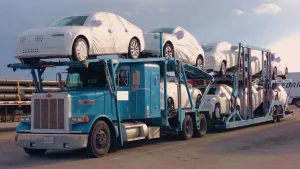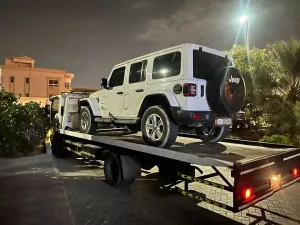

Move your vehicle across state lines with convenient interstate shipping solutions from Border-to-Border Car Transports. Whether you are relocating, purchasing a vehicle from another state, or arranging long-distance transportation, explore services tailored to your destination and schedule.
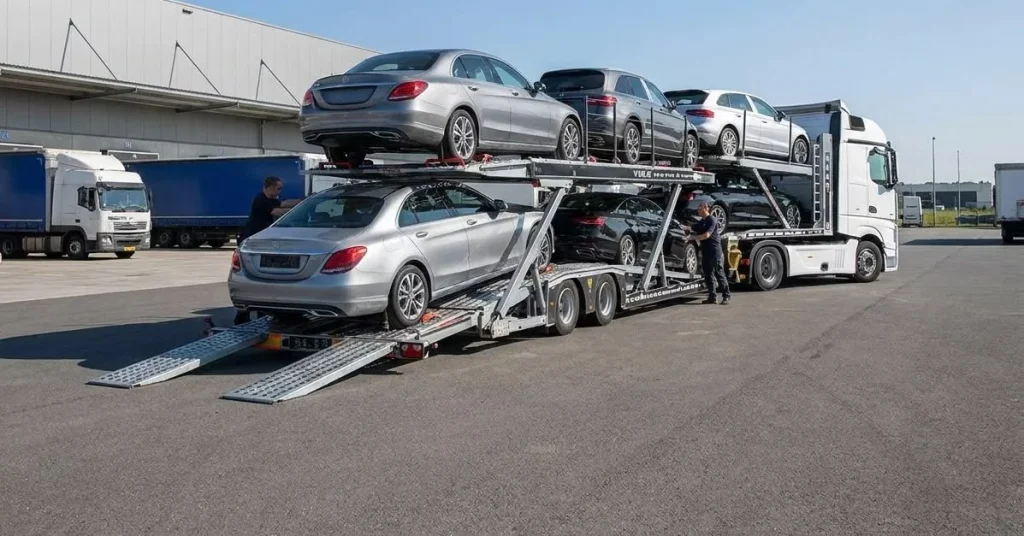
Moving a vehicle between states requires planning, coordination, and an understanding of the transportation process. Long-distance driving can involve fuel expenses, overnight accommodation, vehicle wear, and additional travel time. State-to-state auto transport provides an alternative by allowing customers to arrange professional vehicle transportation instead of driving the entire distance themselves.
Border-to-Border Car Transports, based in Centerville, Texas, helps customers explore interstate car shipping solutions for a variety of transportation needs. From personal relocations to vehicle purchases and business transfers, our focus is on making long-distance auto shipping more convenient and understandable.
What Is State-to-State Auto Transport?
State-to-state auto transport refers to moving a vehicle from one U.S. state to another using a transportation carrier.
Depending on the shipment, vehicles may travel on open-air or enclosed trailers. The appropriate transportation method depends on the automobile’s characteristics, the owner’s preferences, and the available shipping arrangements.
Interstate auto transport can accommodate many common vehicle types, including sedans, SUVs, pickup trucks, and certain specialty automobiles.
Customers typically provide the pickup and delivery locations, vehicle information, and preferred shipping dates before receiving a transportation quotation.
Benefits of Interstate Car Shipping
One of the main advantages of state-to-state vehicle transportation is convenience. Instead of spending several days driving across the country, customers can arrange for their automobiles to be moved while they focus on other responsibilities.
This can be particularly valuable during a residential relocation, when travel planning, household transportation, and scheduling already require significant attention.
Long-distance shipping also helps avoid adding hundreds or thousands of miles to a vehicle’s odometer.
Driving a vehicle over a long distance can create additional maintenance requirements and wear on tires and other components. Shipping the automobile can reduce these driving-related demands.
For customers purchasing vehicles from out-of-state sellers, interstate transportation can eliminate the need to travel personally to collect the automobile.
Who Needs State-to-State Car Transport?
Interstate auto transport is suitable for customers in many circumstances.
Families relocating for employment, education, or personal reasons may need to transport one or more vehicles to a new state.
College students moving between home and university may require seasonal transportation.
Online vehicle buyers frequently purchase automobiles from sellers located hundreds of miles away and need a convenient delivery solution.
Automotive dealerships may arrange interstate shipments when transferring vehicles between locations or delivering automobiles to customers.
Businesses may also require transportation for company vehicles when employees relocate or operational needs change.
Seasonal residents who divide their time between different regions can benefit from arranging vehicle transportation rather than completing repeated long-distance drives.
Our State-to-State Shipping Process
The process begins when customers request a quotation and provide information about their vehicles and routes.
Important details include the automobile’s make, model, operating condition, pickup state, delivery state, and preferred transportation dates.
Customers can then discuss available shipping options and choose between open or enclosed transportation when suitable arrangements are available.
Once the shipment is confirmed, vehicle preparation becomes the next step.
Customers should clean their automobiles, remove unsecured belongings, check for visible mechanical issues, and document the existing condition with photographs.
At pickup, the carrier generally completes an inspection and records the vehicle’s condition before loading.
During interstate transportation, the carrier follows the assigned route and may make additional scheduled stops for other vehicles.
Delivery timing depends on the distance, weather, traffic conditions, route, and carrier schedule.
Upon arrival, the receiving party should inspect the automobile and review the bill of lading before completing the delivery process.
Open Versus Enclosed Interstate Transport
Choosing the correct carrier type is an important part of planning a state-to-state shipment.
Open transport is commonly selected for standard passenger vehicles because it is widely available and generally more economical.
Enclosed transportation offers additional protection from exposure to outdoor conditions and may be preferable for classic, luxury, or collectible automobiles.
The decision should reflect the vehicle’s value, condition, and transportation requirements rather than price alone.
What Affects Interstate Car Shipping Costs?
Distance is a major factor in determining interstate transportation costs, but it is not the only consideration.
The popularity of a route can influence carrier availability and pricing. Shipments between major metropolitan areas may have different logistical requirements from deliveries to remote communities.
Vehicle size, weight, and operating condition can also affect the quotation.
Larger vehicles occupy more trailer space, while non-running automobiles may require specialized loading equipment.
Seasonal demand, fuel costs, carrier availability, and preferred pickup dates are additional considerations.
Customers with flexible scheduling may have access to different shipping options than those requiring a narrow pickup window.
Planning a Smooth Interstate Shipment
Advance preparation can help make long-distance transportation easier.
Customers should confirm that pickup and delivery addresses are accurate and accessible to large carriers.
They should also identify the person responsible for releasing the vehicle at pickup and receiving it at delivery.
Keeping copies of shipment documents and vehicle condition photographs is recommended.
Customers should communicate any modifications, mechanical concerns, or special handling requirements before booking.
It is also important to understand that estimated delivery dates can change because of circumstances outside the carrier’s direct control.
Why Choose Border-to-Border Car Transports?
At Border-to-Border Car Transports, we focus on helping customers navigate the practical decisions involved in interstate vehicle transportation.
We aim to provide clear information about shipping methods, vehicle preparation, scheduling considerations, and pickup and delivery arrangements.
Whether you are transporting a vehicle from Texas to a neighboring state or arranging a longer cross-country shipment, we are ready to discuss suitable options for your journey.
Get a State-to-State Car Shipping Quote
Planning an interstate move or vehicle purchase? Contact Border-to-Border Car Transports at (430) 209-2321 to request a personalized quote and explore convenient long-distance auto transportation options.
Find answers to some common questions about car shipping and vehicle transportation.
Car shipping costs depend on factors such as transportation distance, vehicle size, carrier type, route availability, seasonal demand, and pickup or delivery requirements. Open transport is generally more affordable than enclosed shipping. Contact Border-to-Border Car Transports for a quote based on your specific shipment.
Delivery time varies depending on the distance, route, weather, traffic, carrier availability, and scheduling conditions. Shorter routes may take only a few days, while cross-country shipments can require a week or longer. Estimated pickup and delivery windows should be discussed when arranging your shipment.
Open car transport moves vehicles on trailers exposed to normal outdoor conditions. It is widely used for everyday vehicles. Enclosed transport uses covered trailers that provide additional protection from road debris and weather exposure. Enclosed transportation is often selected for classic, luxury, or specialty vehicles.
You or an authorized adult representative should generally be available to provide access to the vehicle, participate in the inspection, and review the transportation paperwork. Requirements may vary by carrier, so confirm the arrangements before your scheduled pickup.
Clean your vehicle, remove loose personal belongings, document its condition with photographs, check for fluid leaks, and make sure the vehicle is ready for loading. Keep the fuel level relatively low, typically around one-quarter of a tank, unless your carrier gives different instructions.